Uncategorized
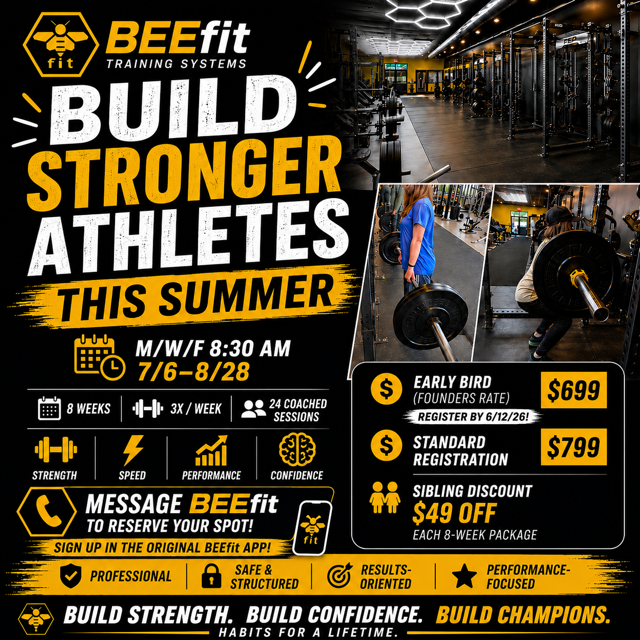
🐝 BEEfit Youth Strength & Performance Camp
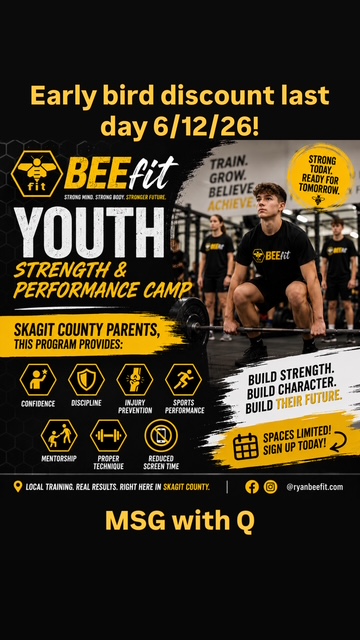
PROMO Code: YouthEarlybird = $100 off! Until 6/12/26
💥 8 Weeks • 24 Professionally Coached Sessions
🏋️ 3 Sessions Per Week
🗓️M/W/F 830 AM 7/6-8/28
📍 Skagit County
⚠️ Not daycare.
⚠️ Not a kids bootcamp.
⚠️ Not “CrossFit for kids.”
✅ Professional
✅ Results-Oriented
✅ Safe & Structured
✅ Performance-Focused
Our Youth Strength & Performance Camp is designed to help young athletes build strength, confidence, coordination, resilience, and healthy habits that last a lifetime.
⚕️Strength training is a lifelong skill that will add quality years to the lives of all that adhere to it properly, progressively, and consistently!
🔥 Program Includes:
• Strength & Hypertrophy Training
• Speed & Velocity Testing
• Vertical Jump Testing
• Sport-Specific Programming
• Movement & Muscle Mapping
• Nutrition Guidance
• Recovery Education
• Professional Coaching & Supervision
• Small Coach-to-Athlete Ratio
• Advanced Equipment Access
• Before & After Performance Metrics
🐝 Every Athlete Receives:
✅ BEEfit Training Shirt
✅ App Access
✅ Progress Tracking
✅ Athlete Testing Day
✅ Nutrition Handout
✅ Parent Education Seminar
✅ Athlete Report Card
✅ Graduation Certificate
✅ Strength, Hypertrophy & Nutrition E-Book
⸻
💰 Investment
🐝 Early Bird / Founder’s Rate: $699 (Registered by or before 6/12/26)
🐝 Standard Registration: $799
🐝 Sibling Discount:
$49 OFF each 8-week package
💡 That’s 24 professionally coached training sessions for less than the cost of most private sports lessons or babysitting services.
⸻
Benefits Parents Appreciate:
✔️ Increased Confidence
✔️ Improved Discipline
✔️ Better Sports Performance
✔️ Injury Prevention
✔️ Quality Mentorship
✔️ Proper Training Technique
✔️ Reduced Screen Time
📲 Message BEEfit today to reserve your athlete’s spot!
✅ “the original BEEfit” app for sign up!
#SkagitCounty #YouthStrengthTraining #SportsPerformance #AthleticDevelopment #YouthFitness
🐝BEEfit training programs & gym = not simply a BUZZ word.
🫣Is that big box gym model & random influencer program failing you?
✅It’s not your fault…the fitness industry is full of fads & frauds.
🐝BEEfit is here to save you from the mistakes & wasted gym membership.
❓Why do our training programs work so effectively?
💥Muscle & Movement Mapping
🔥Certified Professional Trainers = No Guesswork
🐝BEEfit HST (Hypertrophy Strength Training) = Maximize Metabolism & Strength Via Muscle Addition/Retention with Proper Protocols!
🐝BEEfit HST program designed for your specific need’s & capability
✅ 24/7 Gym Access
✅ Expert Coaches Who Actually Coach
🛠️ Every Tool Needed to Address Your Goals
📲 Structured Training App & Progress Tracking
❤️ Evidence-Based Nutrition Coaching
💥 Results You Can Measure & Feel
💰 Personal Training Attention at Group Pricing
🔑 A Clear System for Long-Term Progress
🚫 No guesswork
🚫 No wasted time
🚫 No random workouts
👀 See what your body is truly capable of.
🐝 That’s the BEEfit way.
Text us “BEEFIT” to get started.
📞3605242077
Join 🔗 in profile too w/ consultation options!
💻Msg with Q ryanbeefit@gmail.com
#SemiPrivateTraining#PersonalTraining #gym #HypertrophyStrengthTraining #SkagitValley
AM HYDRATION AND STOMACH HEALTH…
DAILY IN THE MORNING UPON WAKING:
1 OUNCE Apple Cider Vinegar + Glutamine + tsp of Sea Salt in 16 ounce of water and 2nd 16 ounce glass with tsp of Sea Salt (AND STIR THOROUGHLY)
IMMEDIATELY FOLLOW UP WITH ANOTHER 16 OZ. GLASS OF WATER WITH A DASH OF SALT STIRRED IN.
-BOTH GLASSES CONSUMED BRISKLY AND IMMEDIATELY UPON WAKING.
**DAILY HYDRATION GOAL = 1 TO 3/4 OZ OF WATER PER POUND OF BODYWEIGHT. BETTER TO GET HYDRATED EARLY VS. LATER…AND YES, A LIGHT DASH OF SEA SALT IN YOUR WATER IS A GOOD IDEA FOR ELECTROLYTES AND TO HELP WATER GET ABSORBED BETTER!
–20% OFF SUPPLEMENT LINK AND GUIDE FOR THE ONLY BRAND BEEfit recommends, dotFIT, on main page! (EVERYONE SHOULD BE ON THE DAILY MULTIVITAMIN OR ALL N 1, CREATINE, OMEGA, GLUTAMINE, AND UTILIZING A PROTEIN SUPPLEMENT–IF IT IS NOT NSF CERTIFIED, DON’T TAKE IT!)
1️⃣ Apple Cider Vinegar (ACV)
Mechanism
- Contains acetic acid
- May modestly improve insulin sensitivity
- Slows gastric emptying
- Slight reduction in post-meal glucose spikes
2️⃣ L-Glutamine (DotFIT GlutamineComplex)
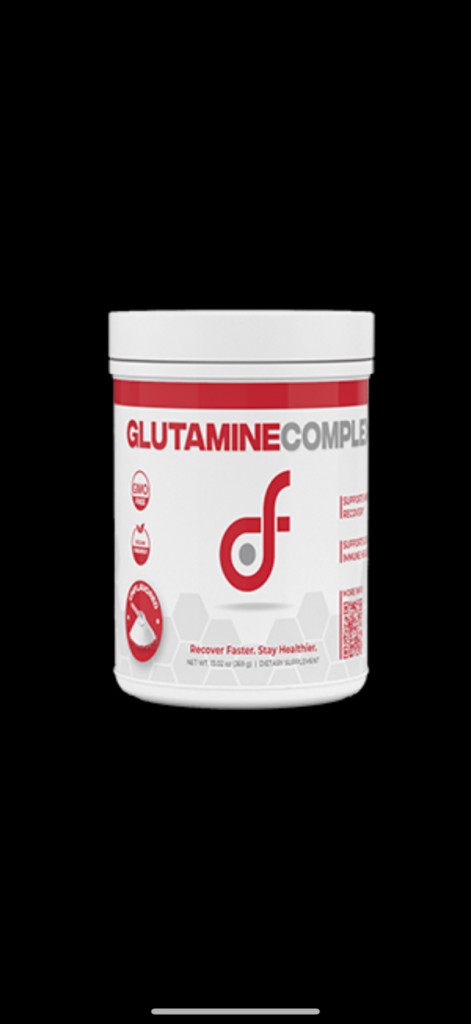
Mechanism
- Primary fuel source for enterocytes
- Supports gut barrier integrity
- Involved in immune cell metabolism
Potential Benefits
✔ Supports intestinal lining during stress
✔ May reduce GI permeability
✔ Assists recovery in high training loads
What It Does NOT Do
- Does not directly increase hypertrophy if total protein is adequate
- Not necessary with normal digestion and sufficient protein intake
3️⃣ Teaspoon of Salt (Sodium)

Mechanism
- Increases plasma sodium
- Enhances cellular hydration
- Supports nerve conduction and muscle contraction
Potential Benefits
✔ Improved hydration
✔ Better training readiness
✔ Beneficial for high sweaters, sauna users, and low-carb athletes
Want to make the most out of your training?
Don’t like having soreness in your body
Want to not get sick?
Like to save money and not fill your body with harmful/useless toxins?
This is why we recommend dotFIT and not other brands for nutrient replacement (supplementation).
Supplements are nutrients with little to no calories.
They are nutrient insurance and fill the gaps that we all have in our nutrition.
It is nearly impossible to get all the nutrients we need from food alone.
ESSENTIALS (things you are unlikely to get from food alone–hint, unless you can verify the soil, sun, curation, ripeness etc, of the foods you eat, you are not getting this stuff in the appropriate amounts!)
I get it, this stuff isn’t glamorous, it’s not advertised on TV or promoted by celebrities…but if you want to be healthy, these are integral to daily nutritional habits…
1-Active Multivitamin or ALLn1–B: Complex Vitamins (B6, B12, Folate), Zinc, Iron, K2, Choline, Antioxidant Micronutrients (Selenium, Vitamins C & E, Polyphenols), Magnesium…and many more vital micronutrients your body needs for optimal recovery, energy production, and organ function.
2-SuperOmega: Higher omega-3 status is linked to lower all-cause mortality.
3-D3: supports calcium absorption and bone mineral density, enhances immune regulation, improves muscle function and strength, optimizes hormonal signaling (including testosterone), and is strongly associated with reduced risk of fractures, respiratory infections, metabolic dysfunction, and all-cause mortality when maintained at optimal serum levels.
4-Protein-provides a complete, bioavailable amino acid profile—particularly sufficient leucine—to reliably stimulate muscle protein synthesis, preserve lean mass, optimize recovery, and support metabolic, immune, and hormonal function when whole-food intake alone is insufficient.
5-Creatine: increases intramuscular phosphocreatine stores to enhance strength, power, muscle mass, and recovery, while also supporting cognitive performance, cellular hydration, and long-term neuromuscular health across the lifespan.
SUPPLEMENTS ARE NOT REGULATED!! THUS WE ONLY RECOMMEND dotFIT as it has the highest standards, certifications, and science backed quantities of nutrients. Properly formulated and highly regulated means you are guaranteed to get the results and support it promises. Unrivaled efficacy, quality, and value–that is why we recommend dotFIT. We carry most of the essentials in the gym and we provide a 20% off discount link to our online store here
& (ryanbeefit.com dotFIT tab).
It is recommended to set up your essentials on a recurring order to make sure you have your essentials consistently available. Also, to get FREE shipping! FREE shipping is also available on orders over $75.
Questions? Email coach Ryan–your certified, all natural pro and nutrition expert.
ryanbeefit@gmail.com
Aging is determined by lifestyle, not genetics…Muscle Mass & Strength are the top predictors of health and longevity.
Our habits and environment shape us…
Nutrition, Resistance training, Aerobic exercise…how do we do this?
For health and longevity, the most important nutrients are those that preserve muscle, brain, bone, metabolic, cardiovascular, and immune function—the systems that decline fastest with age. Below is a concise, clinically grounded summary you can use for education or client-facing content.
⸻
Key Nutrients & Micronutrients for Health & Longevity
1. Protein (Essential Amino Acids)
Preserves muscle mass, metabolic rate, immune function, and tissue repair.
Adequate protein intake is one of the strongest predictors of independence and survival with aging.
⸻
2. Omega-3 Fatty Acids (EPA & DHA)
Reduce chronic inflammation, support heart and brain health, improve insulin sensitivity, and protect cognitive function.
Higher omega-3 status is linked to lower all-cause mortality.
⸻
3. Vitamin D3
Essential for bone density, muscle strength, immune regulation, and hormonal signaling.
Low vitamin D is associated with increased fracture risk, muscle loss, and immune dysfunction.
⸻
4. Magnesium
Required for over 300 enzymatic reactions including energy production, muscle contraction, nerve function, blood pressure regulation, and glucose metabolism.
Deficiency is common and linked to insulin resistance and cardiovascular risk.
⸻
5. Calcium (with Vitamin D & K2)
Critical for bone strength, muscle contraction, and nerve signaling.
When paired with vitamin D and K2, it supports proper calcium utilization and vascular health.
⸻
6. Vitamin K2
Directs calcium into bones and teeth while preventing arterial calcification—key for bone and cardiovascular longevity.
⸻
7. B-Complex Vitamins (B6, B12, Folate)
Support energy metabolism, red blood cell production, nervous system health, and homocysteine regulation (important for heart and brain health).
⸻
8. Zinc
Essential for immune function, wound healing, hormone production, and cellular repair.
Deficiency impairs immunity and recovery.
⸻
9. Iron (Context-Dependent)
Necessary for oxygen transport and energy production.
Important for performance and vitality—but excess can be harmful, so intake should be individualized.
⸻
10. Antioxidant Micronutrients (Selenium, Vitamins C & E, Polyphenols)
Protect cells from oxidative stress, support immune health, and reduce inflammation—key contributors to aging and chronic disease.
⸻
Bottom Line
Longevity nutrition isn’t about isolated supplements—it’s about supporting the tissues and systems that keep you strong, sharp, and independent:
• Protein → muscle & metabolism
• Omega-3s → brain & heart
• Vitamin D, calcium, K2 → bones & immunity
• Magnesium & B-vitamins → energy & nervous system
• Zinc & antioxidants → immune resilience & repair
Train hard, eat enough protein, and cover micronutrient gaps.
That’s how you extend healthspan—not just lifespan. 🐝
The strongest predictors of longevity are not genetics alone—they are measurable, modifiable traits tied to how well your body maintains function over time. Below is a hierarchy of predictors, ranked by consistency across epidemiology, clinical trials, and aging research.
SEE our dotFIT link on our main page for Daily Multivitamin, Omega-3s, D3, and Protein supplements to insure against Nutrient deficiencies!
The Strongest Predictors of Longevity (Evidence-Based)
1. Muscle Mass & Strength (Especially Grip Strength)
- One of the most powerful predictors of survival across all ages
- Strongly associated with lower all-cause mortality, disability, and hospitalization
- Muscle = metabolic health, glucose disposal, balance, and injury resistance
Low muscle mass (sarcopenia) predicts death better than BMI.

2. Cardiorespiratory Fitness (VO₂ max / aerobic capacity)
- Low fitness carries a mortality risk comparable to smoking
- Each increase in fitness category significantly reduces death risk
- Reflects heart, lung, vascular, and mitochondrial health
3. Insulin Sensitivity & Metabolic Health
- Chronic hyperglycemia and insulin resistance accelerate aging
- Strongly tied to cardiovascular disease, dementia, and cancer risk
- Muscle mass and activity are primary protective factors
4. Physical Activity Consistency (Across the Lifespan)
- Regular movement reduces mortality independent of weight
- Resistance training + aerobic activity is superior to either alone
- Inactivity is a top global mortality risk factor
5. Cognitive Function & Brain Health
- Preserved executive function predicts independence and survival
- Strong links between muscle strength, physical activity, and brain volume
- Dementia dramatically shortens lifespan and healthspan
6. Low Chronic Inflammation (CRP, IL-6, TNF-α)
- “Inflammaging” is a central driver of aging and disease
- Resistance training, omega-3s, sleep, and body composition reduce inflammation
7. Bone Density & Fall Resistance
- Hip fractures carry ~20–30% one-year mortality in older adults
- Strength, balance, and bone density are critical for survival
8. Sleep Quality & Circadian Rhythm
- Chronic sleep deprivation increases mortality, insulin resistance, and cognitive decline
- Poor sleep worsens inflammation, hormone regulation, and recovery
9. Social Connection & Purpose
- Strong social ties reduce mortality risk similarly to quitting smoking
- Isolation increases cardiovascular, cognitive, and mental health risk
10. Smoking Status & Alcohol Intake
- Smoking is still one of the largest negative predictors of lifespan
- Alcohol shows a dose-dependent relationship—more is worse over time
What
Does NOT
Predict Longevity Well
- Body weight alone
- BMI without context
- Genetics (accounts for ~10–25% of lifespan)
- Cardio without strength
- “Healthy eating” without adequate protein and muscle preservation
The Core Longevity Equation
Muscle + Movement + Metabolic Health + Sleep + Purpose
= Healthspan → Lifespan 👉🎉 Playspan (quality of lifespan and the ability to do the things you enjoy).
So muscles and strength are pretty essential!
HOW MANY MUSCLES ARE IN THE HUMAN BODY?
There are 639 muscles in the human body—good luck counting them all. Although there are three different types of muscles, the type that many of us are most familiar with is the skeletal muscle. Skeletal muscles attach to our bones, pushing and pulling our body in different directions so we can move.
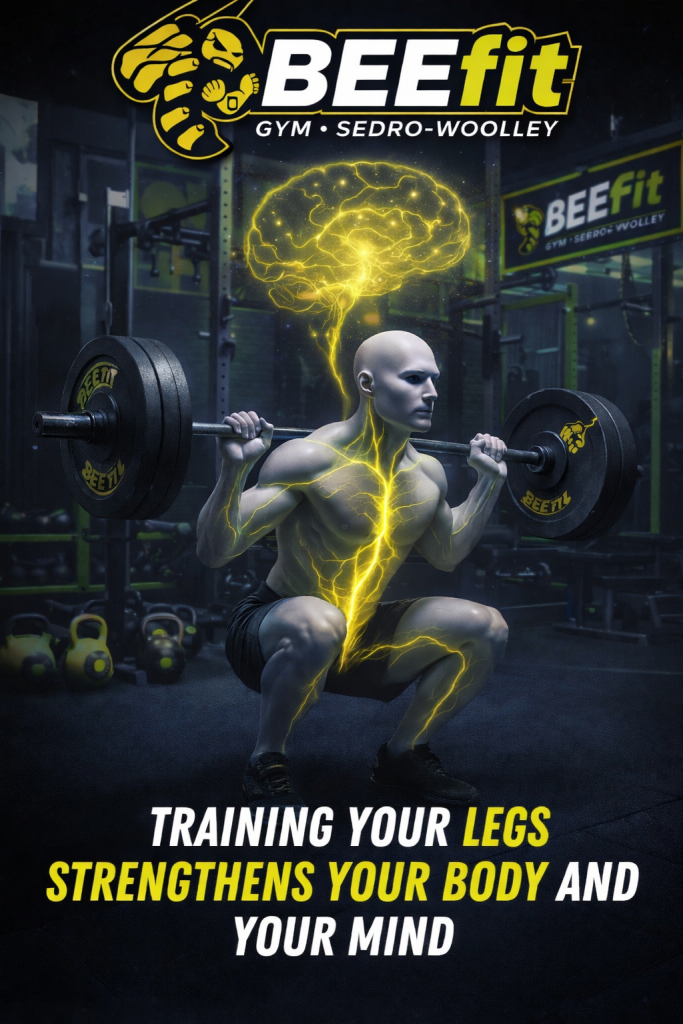
-THREE OF THE FIVE LARGEST MUSCLE GROUPS IN YOUR BODY ARE IN YOUR LEGS! DON’T SKIP LEG DAYS! (GLUTES, QUADS, HAMSTRINGS)
Hypertrophy strength training?
Below is a concise, evidence-based breakdown of the top 10 benefits of committing to resistance training ≥2× per week, separated by adolescents, adults, and older adults. This aligns with ACSM, WHO, and longitudinal cohort findings.
⸻
Adolescents (≈12–18 years)
Resistance training at least twice weekly supports development, not just strength.
1. Improved Bone Density & Skeletal Development
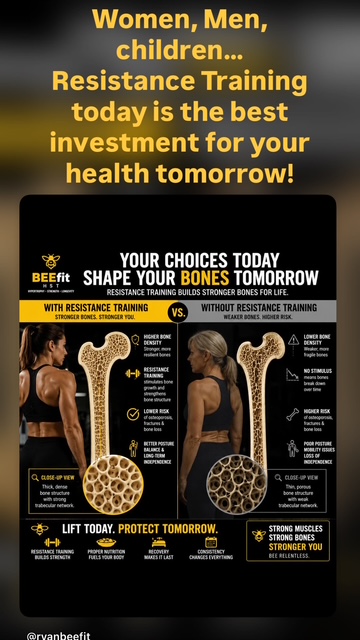
Mechanical loading during growth increases peak bone mass → lower lifetime fracture risk.
2. Enhanced Neuromuscular Coordination
Improves motor unit recruitment, balance, and movement skill acquisition.
3. Injury Risk Reduction in Sports
Stronger tendons, ligaments, and musculature protect joints during athletics.
4. Improved Body Composition
Increases lean mass while reducing excess fat accumulation during puberty.
5. Better Insulin Sensitivity
Early improvements in glucose disposal reduce future metabolic disease risk.
6. Hormonal Health & Growth Factor Optimization
Supports healthy IGF-1 signaling and musculoskeletal maturation (when properly programmed).
7. Increased Self-Esteem & Confidence
Strong link between resistance training and psychological resilience in teens.
8. Improved Academic & Cognitive Performance
Exercise correlates with enhanced executive function and attention.
9. Healthier Lifestyle Adoption
Teens who lift are more likely to remain physically active as adults.
10. Safe Introduction to Load Tolerance
Proper resistance training improves tissue tolerance rather than “stunting growth” (a myth).
⸻
Adults (≈19–59 years)
This is where resistance training becomes a primary health intervention, not optional fitness.
1. Increased Lean Muscle Mass (Hypertrophy)
Maintains metabolic rate and functional capacity.
2. Improved Insulin Sensitivity & Glycemic Control
Resistance training rivals aerobic exercise for type 2 diabetes prevention.
3. Higher Basal Metabolic Rate (BMR)
More muscle = higher daily energy expenditure.
4. Reduced Cardiovascular Disease Risk
Improves blood pressure, lipid profiles, and endothelial function.
5. Joint Health & Injury Prevention
Strengthens connective tissue and improves joint stability.
6. Improved Hormonal Profile
Supports testosterone, growth hormone signaling, and cortisol regulation.
7. Mental Health Benefits
Reductions in depression, anxiety, and stress markers.
8. Enhanced Physical Performance & Work Capacity
Improves strength, power, and endurance for daily life and sport.
9. Improved Posture & Pain Reduction
Strong posterior chain and core reduce chronic back and neck pain.
10. Longevity & All-Cause Mortality Reduction
Resistance training ≥2×/week is independently associated with lower mortality risk.
⸻
Older Adults (60+ years)
For aging populations, resistance training is non-negotiable medicine.
1. Prevention & Reversal of Sarcopenia
Maintains muscle mass, strength, and independence.
2. Improved Bone Density & Reduced Fracture Risk
Especially critical for hips, spine, and femur.
3. Reduced Fall Risk
Improves balance, strength, and reaction time.
4. Preservation of Cognitive Function
Resistance training increases BDNF and supports hippocampal volume.
5. Improved Insulin Sensitivity
Even low-volume training improves glucose uptake in older muscle.
6. Lower Cardiovascular & All-Cause Mortality
Strong inverse relationship between strength levels and mortality.
7. Improved Functional Independence
Easier standing, stair climbing, carrying, and daily tasks.
8. Reduced Chronic Pain & Arthritis Symptoms
Strength training reduces joint pain and improves mobility.
9. Improved Mood & Reduced Depression
Comparable antidepressant effects in some studies.
10. Extended Healthspan (Not Just Lifespan)
Muscle is a key organ of longevity—predictive of survival and quality of life.
⸻
Bottom Line (Across All Ages)
• 2× per week is the minimum effective dose
• 3–4× per week produces superior outcomes
• Resistance training benefits muscle, brain, bone, metabolism, and longevity
• No age group benefits more from not lifting
Citations:
Below are peer-reviewed clinical citations supporting the top benefits of resistance training ≥2× per week across adolescents, adults, and older adults. I’ve matched citations to the physiological claims so this can be used for education and clinical justification.
⸻
📚 Clinical Evidence for Resistance Training (≥2×/Week)
⸻
Adolescents (≈12–18 years)
1. Bone Density & Skeletal Development
Resistance training during growth increases peak bone mass and bone geometry.
• Faigenbaum AD et al., Pediatrics, 2009
• Nichols DL et al., J Bone Miner Res, 2001
2. Neuromuscular Coordination & Motor Skill
Improvements driven primarily by neural adaptations in youth.
• Behm DG et al., Appl Physiol Nutr Metab, 2008
3. Injury Risk Reduction
Strength training reduces sports-related injury rates when properly supervised.
• Myer GD et al., Am J Sports Med, 2011
4. Body Composition Improvement
Increases lean mass and reduces fat mass independent of aerobic activity.
• Schranz N et al., Obesity Reviews, 2013
5. Insulin Sensitivity & Metabolic Health
Resistance training improves glucose regulation in adolescents.
• Shaibi GQ et al., Diabetes Care, 2006
6. Hormonal & Growth Factor Support (IGF-1)
Properly loaded resistance exercise enhances anabolic signaling without harming growth plates.
• Falk B & Tenenbaum G, Sports Med, 1996
7. Psychological Health & Self-Esteem
Improved confidence and reduced anxiety/depression.
• Lubans DR et al., Pediatrics, 2010
8. Cognitive & Academic Performance
Exercise linked to improved executive function and attention.
• Donnelly JE et al., Med Sci Sports Exerc, 2016
9. Lifelong Physical Activity Adoption
Early strength training predicts adult physical activity.
• Telama R et al., Am J Prev Med, 2005
10. Safety of Youth Resistance Training
When supervised, injury rates are lower than many common sports.
• Faigenbaum AD et al., Br J Sports Med, 2016
⸻
Adults (≈19–59 years)
1. Lean Muscle Mass & Hypertrophy
Resistance training is the primary stimulus for muscle growth.
• Schoenfeld BJ, Sports Med, 2010
2. Insulin Sensitivity & Type 2 Diabetes Prevention
Comparable metabolic benefits to aerobic exercise.
• Holten MK et al., Diabetes, 2004
3. Increased Basal Metabolic Rate
Lean mass strongly predicts resting energy expenditure.
• Wolfe RR, Am J Clin Nutr, 2006
4. Cardiovascular Disease Risk Reduction
Independent of aerobic activity levels.
• Liu Y et al., Med Sci Sports Exerc, 2019
5. Joint Health & Injury Prevention
Strength training improves tendon stiffness and joint stability.
• Bohm S et al., Front Physiol, 2015
6. Hormonal Regulation
Improves testosterone:cortisol ratio and anabolic environment.
• Kraemer WJ & Ratamess NA, Sports Med, 2005
7. Mental Health Benefits
Significant reductions in depression and anxiety symptoms.
• Gordon BR et al., JAMA Psychiatry, 2018
8. Physical Performance & Work Capacity
Improves strength, power, and daily function.
• ACSM Position Stand, Med Sci Sports Exerc, 2009
9. Pain Reduction (Back, Neck, Joints)
Effective for chronic musculoskeletal pain.
• Steele J et al., Br J Sports Med, 2013
10. Longevity & Mortality Reduction
Resistance training ≥2×/week lowers all-cause mortality.
• Saeidifard F et al., Br J Sports Med, 2019
⸻
Older Adults (60+ years)
1. Sarcopenia Prevention & Reversal
Resistance training is the most effective intervention.
• Peterson MD et al., Ageing Res Rev, 2010
2. Bone Density & Fracture Risk Reduction
Particularly effective at hip and spine.
• Watson SL et al., Osteoporosis Int, 2015
3. Fall Risk Reduction
Strength training improves balance and reaction time.
• Sherrington C et al., Br J Sports Med, 2017
4. Cognitive Function & Hippocampal Health
Resistance training increases BDNF and preserves hippocampal volume.
• Liu-Ambrose T et al., Arch Intern Med, 2010
• Best JR et al., Neurobiology of Aging, 2015
5. Insulin Sensitivity in Aging Muscle
Improves glucose uptake even without weight loss.
• Ibanez J et al., Diabetes Care, 2005
6. Cardiovascular & All-Cause Mortality
Muscle strength predicts survival better than BMI.
• Ruiz JR et al., BMJ, 2008
7. Functional Independence
Improves stair climbing, sit-to-stand, and ADLs.
• Fiatarone MA et al., NEJM, 1990
8. Arthritis & Chronic Pain Reduction
Improves joint function and reduces pain severity.
• Fransen M et al., Cochrane Database, 2015
9. Mood & Depression Reduction
Comparable to pharmacological treatment in mild/moderate depression.
• Singh NA et al., J Gerontol A, 2005
10. Healthspan Extension
Lean mass is a strong predictor of independence and survival.
• Newman AB et al., Am J Epidemiol, 2006
⸻
🧠 Key Clinical Consensus Statements
• WHO (2020): ≥2 days/week of muscle-strengthening activity for all adults
• ACSM: Resistance training is essential across the lifespan
• NIH/NIA: Muscle mass is a determinant of healthy aging
Here is a simple, high-impact weekly action plan that translates the BEEfit longevity principles into clear behaviors anyone can follow. This is written to be client-friendly, realistic, and repeatable.
🐝 BEEfit Weekly Longevity Action Plan
Goal: Build muscle, protect your brain, improve metabolic health, and extend healthspan.
🏋️ Strength Training (3–4 Days / Week)
Non-negotiable for longevity
- Train full-body or upper/lower splits
- Focus on compound lifts (squat, hinge, push, pull, carry)
- 45–75 minutes per session
- Progress load or reps weekly
Why: Muscle mass and strength are the #1 predictors of long-term survival.
🚶 Daily Movement (Every Day)
Minimum daily baseline
- 7,000–10,000 steps per day
- Include 2–3 short walks after meals
Why: Improves insulin sensitivity, lowers inflammation, protects the brain.
❤️ Cardiovascular Fitness (2–3 Days / Week)
Protect your heart and mitochondria
- 1–2 moderate sessions (Zone 2: brisk walking, cycling)
- 1 short higher-intensity session (intervals or conditioning)
Why: Low cardio fitness carries a mortality risk similar to smoking.
🥩 Protein at Every Meal (Daily)
Anchor your nutrition
- Target ~30–50 g protein per meal
- Prioritize whole, high-quality sources
- Spread evenly across the day
Why: Preserves muscle, metabolism, immune function, and recovery.
🧠 Brain & Stress Health (Daily)
Protect cognition and hormones
- 5–10 minutes of breath work, sunlight, or quiet time
- Reduce alcohol intake
- Stay socially connected
Why: Stress and isolation accelerate aging and cognitive decline.
😴 Sleep & Recovery (Every Night)
Aging happens faster without sleep
- 7–9 hours per night
- Consistent sleep/wake times
- Dark, cool, screen-limited environment
Why: Sleep regulates hormones, inflammation, brain health, and longevity.
💊 Nutrient Coverage (Daily)
Support recovery & resilience
- Protein-forward diet
- Omega-3s
- Vitamin D (especially in winter)
- Magnesium-rich foods or supplementation
Why: Nutrient deficiencies impair muscle, immunity, and brain health.
📅 Weekly Self-Check (5 Minutes)
Ask yourself:
- Did I lift at least 3 times?
- Did I hit protein most days?
- Did I move daily?
- Did I sleep well?
- Did I recover intentionally?
Adjust—not restart.
🧬 The BEEfit Longevity Formula
Muscle + Movement + Metabolic Health + Sleep + Purpose
= Healthspan → Lifespan…and ultimately…PLAYSPAN!
PLAYSPAN=THE ABILITY TO DO THE THINGS YOU ENJOY AND TO BE INDEPENDENT FOR YOUR ENTIRE LIFE!
Consistency beats intensity.
This is how you age slower—on purpose.
READY TO BEE fit?🐝
We are your solution for muscle, strength, nutrition, longevity, performance, fat loss, and your locally owned and operated GYM.
SCHEDULE A TOUR/CONSULT TODAY WITH THE LINK BELOW!
https://calendly.com/ryanbeefit/30min
Six Most Important Resistance and Exercise Movements for Strength and Fitness
When it comes to building strength, improving fitness, and enhancing overall health, resistance training is a cornerstone of any effective workout program. Incorporating compound movements—exercises that engage multiple muscle groups and joints—can maximize efficiency and results. Below are the six most important resistance and exercise movements that should form the foundation of your training routine.
🐝 1. Squat
The squat is often referred to as the “king of all exercises” because it targets the lower body and core while also engaging the upper body for stability. It primarily works the quadriceps, hamstrings, glutes, and lower back.
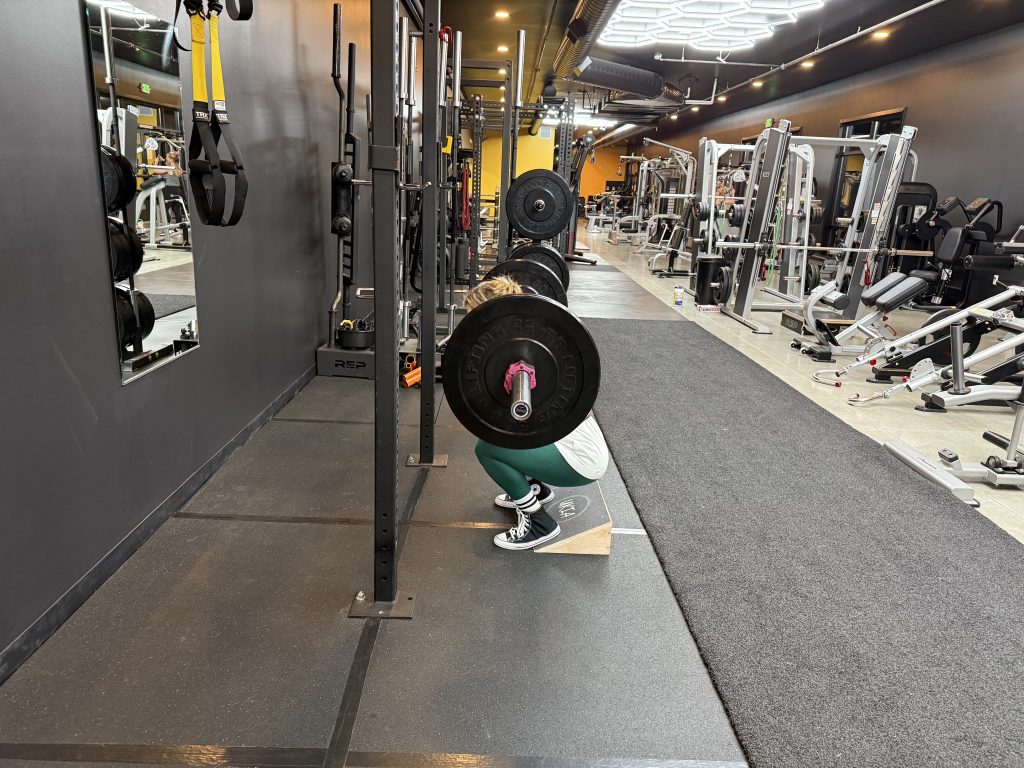
👉Why it’s important**: Squats improve lower body strength, enhance mobility, and promote functional fitness for everyday activities like sitting, standing, and lifting.
– **Variations**: Bodyweight squats, goblet squats, barbell back squats, front squats (Barbell/Goblet), suspension trainer squats (TRX/Rings), box squats, belt squat, hack squat. **It is recommended to be proficient in freeweight squat variations before attempting machine based variations.
🐝 2. Deadlift
The deadlift is a full-body movement that primarily targets the posterior chain, including the glutes, hamstrings, lower back, and traps. It also engages the core, grip strength, and upper back.
👉Why it’s important**: Deadlifts build raw strength, improve posture, and enhance your ability to lift heavy objects safely in daily life.
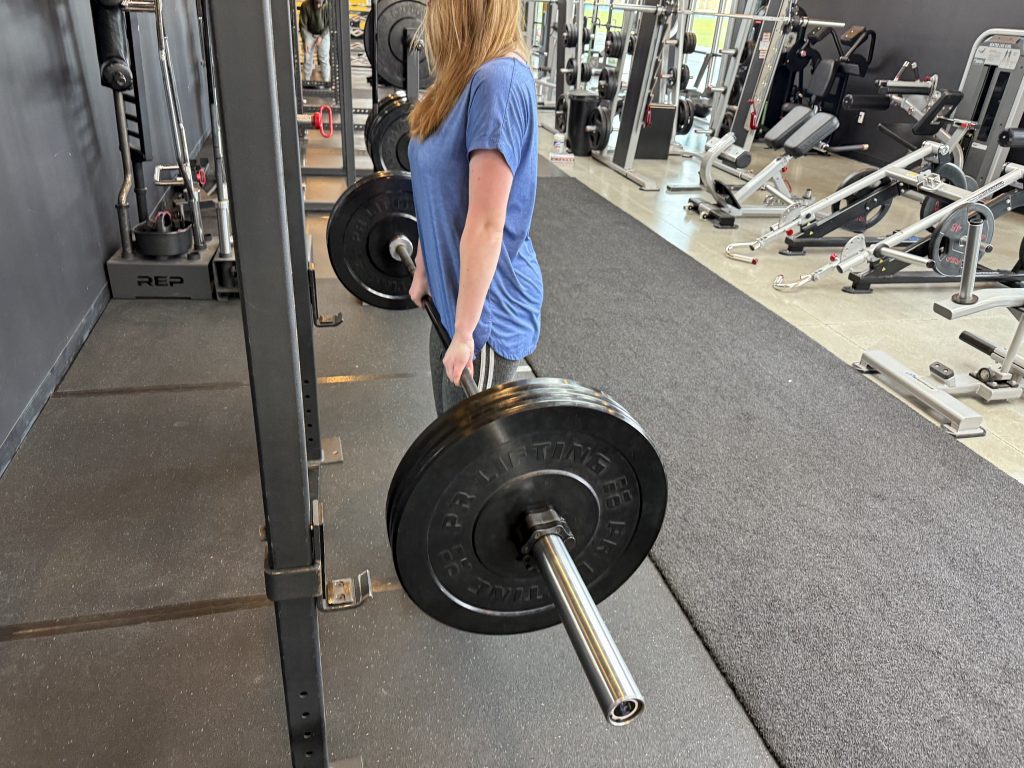
– **Variations**: Conventional deadlift, sumo deadlift, Romanian deadlift, trap bar deadlift (if your knee is going forward in any of these variations…it is not a dead lift), 45 degree hyperextension, Good Mornings, Plate Loaded Deadlift, cable/machine deadlifts, and dumbbell variations.
🐝 3. Bench Press
The bench press is a classic upper-body exercise that focuses on the chest, shoulders, and triceps. It also engages the core and back for stability.
👉Why it’s important**: This movement builds upper body strength and muscle mass, which is essential for pushing movements and overall upper body power.
– **Variations**: Flat bench press, incline bench press, dumbbell bench press, Smith Mahine Press, close-grip bench press.
🐝 4. Pull-Up/Chin-Up
Pull-ups and chin-ups are bodyweight exercises that target the back, biceps, and shoulders. They require significant upper body strength and control.
👉Why it’s important**: These exercises improve upper body pulling strength, enhance grip strength, and promote better posture by strengthening the back muscles.
– **Variations**: Wide-grip pull-ups, chin-ups (palms facing you), assisted pull-ups, weighted pull-ups, lat pull down machines.
🐝 5. Overhead Press
The overhead press (or shoulder press) is a vertical pushing movement that targets the shoulders, triceps, and upper chest. It also engages the core for stability.
👉Why it’s important**: This exercise builds shoulder strength and stability, which is crucial for overhead activities and overall upper body function.
– **Variations**: Barbell overhead press, dumbbell shoulder press, push press, Arnold press.
🐝 6. Row
Rows are essential for balancing out pushing movements like the bench press and overhead press. They target the back, biceps, and rear shoulders, while also engaging the core.
👉Why it’s important**: Rows improve posture, strengthen the back, and help prevent muscle imbalances caused by excessive pushing exercises.
– **Variations**: Barbell rows, dumbbell rows, inverted rows, cable rows.
🐝 Why These Movements Matter
These six exercises form the foundation of a well-rounded resistance training program. They are compound movements, meaning they work multiple muscle groups simultaneously, making them highly efficient for building strength, improving mobility, and burning calories. Additionally, they mimic real-life movements, enhancing functional fitness and reducing the risk of injury.
✅ Tips for Success
– **Focus on form**: Proper technique is crucial to prevent injury and maximize results.
– **Progress gradually**: Start with lighter weights or bodyweight variations and gradually increase resistance as you get stronger.
– **Balance your program**: Incorporate both pushing and pulling movements to avoid muscle imbalances.
– **Rest and recover**: Allow adequate recovery time between workouts to let your muscles repair and grow.
By incorporating these six essential movements into your routine, you’ll build a strong, functional, and resilient body that’s prepared for both the gym and the demands of daily life.
💥Bonus: Planks
Planks are excellent for your abdominals and core stability.
👉Why it’s important: planks help improve spinal health and performance in just about every aspect of movement… they are a central part of a well rounded abdominal program.
Additional consideration should be given to the side plank, reverse crunch, and Russian twist among other valuable abdominal motions.
🔥 formulating the proper program for where you are at is exactly what BEEfit does!
Schedule your assessment today and be well on your way to the program designed just for you!
🐝 BIGGEST REASONS PEOPLE FAIL AT FAT LOSS, PROGRESSING THEIR PHYSIQUE, & WELLNESS
Most people don’t fail because they’re lazy.
They fail because they focus on the wrong variables.
Here’s what actually stalls progress ⬇️
❌ No Consistency or Plan
Random workouts. On-and-off nutrition. Starting over every Monday.
Progress only happens when inputs are repeated long enough to compound.
❌ Undereating for Too Long
Chronic calorie restriction slows metabolism, elevates stress hormones, and sacrifices muscle—the exact opposite of long-term health.
❌ Not Building Muscle
Muscle is the engine of physique change and metabolic health. Cardio alone won’t reshape your body or protect you as you age.\
❌ Protein Is Too Low
Most people eat half of what they need. Inadequate protein compromises recovery, lean mass, hormones, and satiety.
❌ Poor Environment
Your habits mirror your surroundings. Low standards, low accountability, and inconsistent peers create predictable outcomes.
❌ Chasing Hacks Instead of Systems
Supplements, detoxes, and extreme plans fail without a structured training + nutrition framework.
❌ Ignoring Recovery
Sleep, hydration, steps, and stress management aren’t optional—they dictate results just as much as training volume.
❌ Alcohol Intake
Alcohol blunts your body’s ability to build and repair muscle after training. It lowers testosterone, raises cortisol, and impairs fat-loss signaling. Even if you fall asleep faster, recovery-driving deep sleep is reduced. Alcohol doesn’t just add calories—it interferes with nearly every process required for progress.
💡 Bottom Line
Progress isn’t about motivation.
It’s about structure, environment, and repeatable behaviors.
That’s why at BEEfit, we don’t sell workouts—we build systems for strength, muscle, and long-term wellness.
🐝 Train with intention. Eat with purpose. Recover like it matters.
👉Ready to set yourself up for success ❓
🔗Schedule your consultation with us today!
https://calendly.com/ryanbeefit/30min
📞A quick call or in person tour & consultation options!

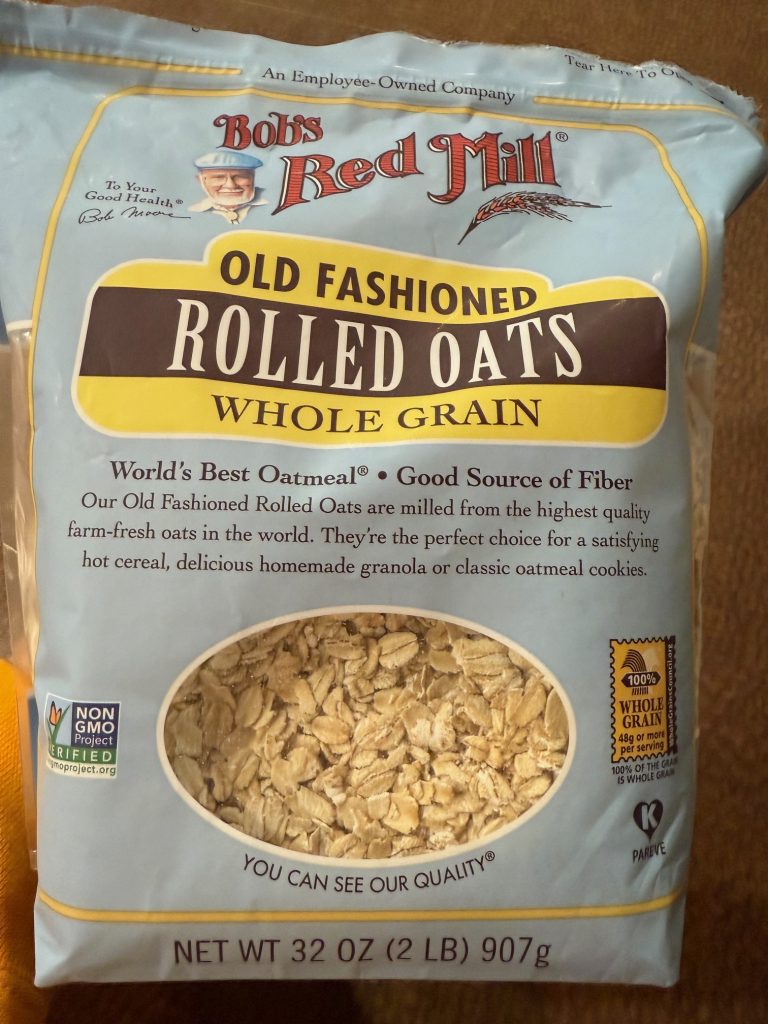
BEEfit: Ryan’s Favorite Oats… Fermented Oats
Ryan’s Favorite Oats!
Also a good idea…fermented oats oatmeal with Chocolate protein powder, PBfit, a tiny bit of all natural PB…this is super tasty. Add cocoa nibs and we’re other worldly…
How to make Fermented Oats
- Pour 1 cup of OATS in a glass bowl, and stir in 1 cup of lukewarm FILTERED WATER (boil and let cool down), and 2 Tablespoons 1.5 teaspoons of apple cider vinegar per cup of oats. Cover loosely, and leave overnight in the oven or a cabinet. Allow to soak for at least 7 hours and up to 24 hours.
- 2nd Step: Pour soaked oats into a mesh strainer and rinse with water. A fine strainer will work fine. This rinse seems to get rid of the ACV taste and additional phytic acid left on the oats.
- Portion into two bowls (or save some for later, ok in the refrigerator for up to a week).
- Why do fermented oats?
Phytic acid was discovered in 1903.[16] Phytic acid, mostly as phytate in the form of phytin, is found within the hulls of seeds, including nuts, grains and pulses.[1] In-home food preparation techniques can break down the phytic acid in all of these foods. Simply cooking the food will reduce the phytic acid to some degree. More effective methods are soaking in an acid medium, sprouting and lactic acid fermentation such as in sourdough and pickling.[17] [18] https://en.wikipedia.org/wiki/Phytic_acid
So you should ferment your oats before eating them if you want to increase their bioavailability, absorption, and offset the likelihood of distention. These are all good things, especially in terms of bioavailability, since you eat food for the nutrients they contain (though you might tell yourself otherwise).
BEEfit Ryan’s Green smoothie & PB Smoothie recipes
Ryan’s Green smoothie: (Good to add scoop of ALL-N-1 to: stir in after blending)
In a blender cup…
¼ c blueberries (frozen)
Sprig of mint
Kale, spinach green mix (about half way up container)
Fill water up to that line.
Scoop of vanilla whey smooth (add more if need for Protein totals–also can add Pre/post Protein=flavor and additional carbs.
Top off with water/frozen berries for flavor. (use less to none depending on carb needs)
Add flaxseed for healthy fats if needed.
**Add Non sweetened Greek Yogurt for additional fats, carbs, protein if wanted for needs. (get unflavored, no sugar, high probiotic version if using yogurt–fat is wanted here).
PB and chocolate smoothie:
½ or less Frozen banana (use less to none depending on carb needs)
H20 half way up blender cup (8 oz)
Heaping tbsp(s) (OR Small tsp if fat needs are less) of adam’s old fashioned peanut butter
1-2 servings of PBfit (amounts vary for needs of macros)
Scoop of chocolate Whey Smooth + 1 optional scoop of chocolate pre/post (both dotFIT)
A few cubes of ice, top with water and blend.
Should produce a 20-28 oz smoothie that satisfies macros!
(adjust quantities per your macros–ie, ¼ banana, less pb, less protein powder)
Six Most Important Resistance and Exercise Movements for Strength and Fitness
When it comes to building strength, improving fitness, and enhancing overall health, resistance training is a cornerstone of any effective workout program. Incorporating compound movements—exercises that engage multiple muscle groups and joints—can maximize efficiency and results. Below are the six most important resistance and exercise movements that should form the foundation of your training routine.
🐝 1. Squat
The squat is often referred to as the “king of all exercises” because it targets the lower body and core while also engaging the upper body for stability. It primarily works the quadriceps, hamstrings, glutes, and lower back.
👉Why it’s important**: Squats improve lower body strength, enhance mobility, and promote functional fitness for everyday activities like sitting, standing, and lifting.
– **Variations**: Bodyweight squats, goblet squats, barbell back squats, front squats, suspension trainer squats, box squats.
🐝 2. Deadlift
The deadlift is a full-body movement that primarily targets the posterior chain, including the glutes, hamstrings, lower back, and traps. It also engages the core, grip strength, and upper back.
👉Why it’s important**: Deadlifts build raw strength, improve posture, and enhance your ability to lift heavy objects safely in daily life.
– **Variations**: Conventional deadlift, sumo deadlift, Romanian deadlift, trap bar deadlift (if your knee is going forward in any of these variations…it is not a dead lift)
🐝 3. Bench Press
The bench press is a classic upper-body exercise that focuses on the chest, shoulders, and triceps. It also engages the core and back for stability.
👉Why it’s important**: This movement builds upper body strength and muscle mass, which is essential for pushing movements and overall upper body power.
– **Variations**: Flat bench press, incline bench press, dumbbell bench press, close-grip bench press.
🐝 4. Pull-Up/Chin-Up
Pull-ups and chin-ups are bodyweight exercises that target the back, biceps, and shoulders. They require significant upper body strength and control.
👉Why it’s important**: These exercises improve upper body pulling strength, enhance grip strength, and promote better posture by strengthening the back muscles.
– **Variations**: Wide-grip pull-ups, chin-ups (palms facing you), assisted pull-ups, weighted pull-ups, lat machines.
🐝 5. Overhead Press
The overhead press (or shoulder press) is a vertical pushing movement that targets the shoulders, triceps, and upper chest. It also engages the core for stability.
👉Why it’s important**: This exercise builds shoulder strength and stability, which is crucial for overhead activities and overall upper body function.
– **Variations**: Barbell overhead press, dumbbell shoulder press, push press, Arnold press.
🐝 6. Row
Rows are essential for balancing out pushing movements like the bench press and overhead press. They target the back, biceps, and rear shoulders, while also engaging the core.
👉Why it’s important**: Rows improve posture, strengthen the back, and help prevent muscle imbalances caused by excessive pushing exercises.
– **Variations**: Barbell rows, dumbbell rows, inverted rows, cable rows.
🐝 Why These Movements Matter
These six exercises form the foundation of a well-rounded resistance training program. They are compound movements, meaning they work multiple muscle groups simultaneously, making them highly efficient for building strength, improving mobility, and burning calories. Additionally, they mimic real-life movements, enhancing functional fitness and reducing the risk of injury.
✅ Tips for Success
– **Focus on form**: Proper technique is crucial to prevent injury and maximize results.
– **Progress gradually**: Start with lighter weights or bodyweight variations and gradually increase resistance as you get stronger.
– **Balance your program**: Incorporate both pushing and pulling movements to avoid muscle imbalances.
– **Rest and recover**: Allow adequate recovery time between workouts to let your muscles repair and grow.
By incorporating these six essential movements into your routine, you’ll build a strong, functional, and resilient body that’s prepared for both the gym and the demands of daily life.
💥Bonus: Planks
Planks are excellent for your abdominals and core stability.
👉Why it’s important: planks help improve spinal health and performance in just about every aspect of movement… they are a central part of a well rounded abdominal program.
Additional consideration should be given to the side plank, reverse crunch, and Russian twist among other valuable abdominal motions.
🔥 formulating the proper program for where you are at is exactly what BEEfit does!
Schedule your assessment today and be well on your way to the program designed just for you!
#skagitcounty #personaltrainer #gym #fatloss #wellness #skagitcounty #skagitvalley #womenshealth #24/7 #local #allnatty #bodybuilding #sportsperformance #pullups #resistancetraining